

Meow meow drug is a synthetic stimulant (mephedrone) that produces euphoric and empathogenic effects similar to MDMA and cocaine but carries significant health risks and potential for addiction.
Like many stimulants, meow meow drug can be addictive and may require substance use disorder treatment. Here’s everything you need to know about Meow Meow Drug AKA Mephedrone:
What Is Mephedrone?
Mephedrone, also known as meow meow drug, is a synthetic stimulant and empathogen that gained notoriety in the late 2000s as a “legal high” before being classified as a controlled substance. Often called the “meow meow drug,” mephedrone belongs to a class of substances known as synthetic cathinones, which are chemically similar to cathinone, a naturally occurring stimulant found in the khat plant. Like other stimulants, mephedrone affects the central nervous system by increasing the activity of neurotransmitters such as dopamine, serotonin, and norepinephrine.
The drug produces effects similar to MDMA (ecstasy), cocaine, and amphetamines, creating feelings of euphoria, increased energy, enhanced sociability, and heightened sensory perception. However, mephedrone also carries significant health risks, including the potential for addiction, cardiovascular problems, and serious mental health consequences.
Other Names for Mephedrone
Mephedrone is known by numerous street names, including:
- Meow meow (or M-Cat)
- Drone
- Meph
- 4-MMC
- MCAT
- Bubbles
- White magic
These alternative names can make it difficult for individuals to recognize the substance or understand what they may be taking, particularly when drugs are obtained at parties, clubs, or through social networks.
Understanding the meow meow drug is important for those who may encounter it in social settings. Education about the meow meow drug can help prevent misuse and addiction.
What Does Mephedrone Look Like?
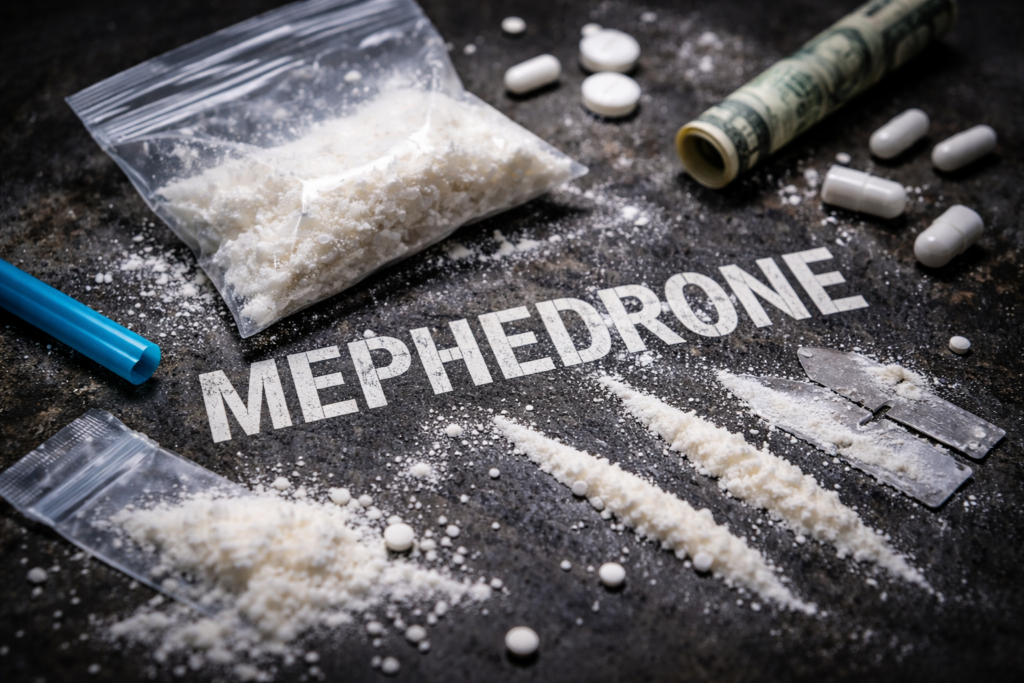
Mephedrone typically appears as a white, off-white, or yellowish powder, though it can also be found in pill or capsule form. The powder has a distinctive chemical smell that some users describe as similar to cat urine, which may have contributed to its street name “meow meow.” The substance is often sold in small plastic bags or containers and may be marketed under various brand names or sold as other drugs.
The appearance of mephedrone can vary depending on its purity and any adulterants or cutting agents that have been added. Like many synthetic drugs sold on the illicit market, there is no quality control, meaning users cannot be certain of what they’re actually consuming or how strong the dose may be.
How Is Mephedrone Used?
Mephedrone can be consumed through several different methods, each affecting how quickly the drug takes effect and the intensity of the experience:
Snorting (Insufflation): The most common method involves crushing the powder and inhaling it through the nose. Effects typically begin within 10-20 minutes and can last 2-3 hours. This method can cause significant damage to nasal passages with repeated use.
Oral Consumption: Users may swallow mephedrone powder directly, mix it into drinks, or take it in pill or capsule form. When taken orally, effects begin more slowly (30-45 minutes) but may last longer.
Injection: Some users dissolve mephedrone in water and inject it intravenously, which produces the most rapid and intense effects but also carries the highest risks, including vein damage, infection, and overdose.
Rectal Administration: Less commonly, mephedrone may be administered rectally, which produces effects similar to snorting but avoids nasal damage.
Effects of Mephedrone
The effects of mephedrone typically begin within minutes to an hour after use (depending on the method of administration) and can last anywhere from 2-5 hours. Users report a range of physical and psychological effects:
Desired Effects:
- Euphoria and intense pleasure
- Increased energy and alertness
- Enhanced sociability and talkativeness
- Feelings of empathy and emotional closeness
- Heightened sensory perception
- Increased confidence
- Reduced inhibitions
- Enhanced appreciation for music and touch
Unwanted Physical Effects:
- Increased heart rate and blood pressure
- Jaw clenching and teeth grinding (bruxism)
- Dilated pupils
- Excessive sweating
- Nausea and vomiting
- Headaches
- Dizziness
- Muscle tension
- Difficulty urinating
- Loss of appetite
- Insomnia
Psychological and Cognitive Effects:
- Anxiety and paranoia
- Confusion and disorientation
- Impaired judgment and decision-making
- Memory problems
- Hallucinations (at higher doses)
- Agitation and irritability
Impact of Mood and Environment on Mephedrone Effects
Like other empathogens and stimulants, meow meow drug/mephedrone’s effects can be significantly influenced by the user’s mood, mental state, and environment. Factors that may shape the experience include:
Set (Internal State): Your emotional state, expectations, mental health status, and previous experiences with drugs all influence how mephedrone affects you. Someone experiencing depression, anxiety, or unresolved trauma may have a more unpredictable or negative reaction.
Setting (External Environment): The physical and social environment where mephedrone is used matters significantly. Crowded clubs, unfamiliar locations, or being around people you don’t trust can increase anxiety and the risk of harm. Conversely, using in what seems like a “safe” environment may create a false sense of security about the drug’s dangers.
For LGBTQIA+ individuals, the intersection of substance use like meow meow drug with minority stress, discrimination experiences, and identity-related challenges can create unique vulnerabilities. Our trauma-informed care approach recognizes these complexities and provides specialized support.
Meow Meow Drug Overdose Risks
Mephedrone/meow meow drug overdose is a serious medical emergency that can result in life-threatening complications. Because the drug is manufactured illegally without quality control, users cannot know the actual dose they’re taking or what other substances might be mixed with the mephedrone.
Signs of Mephedrone Overdose:
- Severe chest pain
- Rapid or irregular heartbeat
- Dangerously high blood pressure
- Hyperthermia (overheating)
- Seizures
- Severe agitation or panic
- Hallucinations or psychosis
- Loss of consciousness
- Respiratory distress
Serious Complications:
- Heart attack
- Stroke
- Kidney failure
- Serotonin syndrome
- Rhabdomyolysis (muscle breakdown)
- Death
If you suspect someone has overdosed on mephedrone/meow meow drug, call emergency services immediately. Don’t wait to see if symptoms improve—prompt medical intervention can be lifesaving.
Coming Down from Meow Meow Drug
The comedown from mephedrone can be particularly difficult and uncomfortable, often beginning as the drug’s effects wear off and lasting for several days. Common comedown symptoms include:
- Severe depression and emotional flatness
- Extreme fatigue and exhaustion
- Irritability and mood swings
- Anxiety and paranoia
- Difficulty concentrating
- Insomnia despite exhaustion
- Intense drug cravings
- Loss of appetite
- Headaches
- Muscle aches
The severity of the meow meow drug comedown often leads users to take more mephedrone to avoid these unpleasant feelings, which can quickly spiral into a pattern of compulsive use. This cycle is particularly challenging for individuals already managing mental health concerns or using substances to cope with difficult emotions or experiences.
Long-Term Effects of Meow Meow Drug
Repeated mephedrone/meow meow drug use can lead to serious long-term health consequences affecting multiple body systems:
Cardiovascular Damage:
- Persistent high blood pressure
- Increased risk of heart attack and stroke
- Heart valve damage
- Irregular heart rhythms
Neurological and Psychological Effects:
- Cognitive impairment and memory problems
- Persistent anxiety and panic disorders
- Depression and mood disorders
- Psychotic symptoms
- Sleep disturbances
- Damage to serotonin and dopamine systems
Physical Health Problems:
- Nasal damage and chronic nosebleeds (from snorting)
- Liver and kidney damage
- Weakened immune system
- Dental problems from teeth grinding
- Weight loss and malnutrition
Behavioral and Social Consequences:
- Development of substance use disorder
- Relationship difficulties
- Financial problems
- Legal issues
- Neglect of responsibilities
- Social isolation
For LGBTQIA+ individuals, these long-term consequences of meow meow drug use can compound existing challenges related to minority stress, discrimination, and accessing affirming healthcare.
Mixing Mephedrone With Other Drugs
Combining meow meow drug with other substances significantly increases health risks and the potential for dangerous interactions. Common and particularly risky combinations include:
Mephedrone + Alcohol: This combination increases dehydration, impairs judgment further, and puts additional strain on the heart and liver. The depressant effects of alcohol can also mask mephedrone’s stimulant effects, leading users to consume more of either substance.
Mephedrone + Other Stimulants (cocaine, amphetamines, MDMA): Mixing stimulants dramatically increases cardiovascular stress, risk of hyperthermia, and potential for serotonin syndrome—a potentially fatal condition caused by excessive serotonin in the brain.
Mephedrone + Opioids or Depressants: The opposing effects of stimulants and depressants can confuse the body’s regulatory systems, making overdose more likely and harder to recognize.
Mephedrone + Antidepressants (especially MAOIs): This combination can lead to serotonin syndrome, a medical emergency characterized by confusion, rapid heart rate, high blood pressure, dilated pupils, muscle rigidity, and potentially death.
Mephedrone + Cannabis: While some users combine these substances, cannabis can intensify anxiety and paranoia that may arise from mephedrone use.
Polysubstance use (using multiple drugs simultaneously or in close succession) is common among individuals struggling with substance abuse and often indicates more severe addiction that requires professional intervention.
Reducing Harm
While the safest choice is to avoid mephedrone/meow meow drug entirely, harm reduction strategies can help minimize risks for those who continue to use:
- Test your substances: Use drug checking services when available to verify what you’re actually taking
- Start with a small dose: Given the unpredictability of illicit drugs, start low to assess potency
- Avoid mixing drugs: Don’t combine mephedrone with other substances, especially stimulants or alcohol
- Stay hydrated: Drink water regularly but avoid overhydration (no more than 1 pint per hour)
- Take breaks: Allow time to cool down and rest if dancing or in hot environments
- Never use alone: Have someone present who can get help if needed
- Know the signs of overdose: Be prepared to call emergency services
- Don’t redose repeatedly: This increases risks and can lead to compulsive use patterns
- Use clean equipment: If injecting, always use sterile, new needles and supplies
However, harm reduction is not a substitute for addressing underlying issues driving substance use. Professional treatment provides the comprehensive support needed for lasting recovery.
Mephedrone Withdrawal
Regular mephedrone use can lead to psychological dependence, and stopping can produce withdrawal symptoms. While mephedrone withdrawal is generally not medically dangerous like alcohol or benzodiazepine withdrawal, it can be extremely uncomfortable and challenging to navigate without support.
Common Withdrawal Symptoms:
- Intense cravings for mephedrone
- Severe depression and anhedonia (inability to feel pleasure)
- Extreme fatigue and low energy
- Increased appetite
- Hypersomnia (sleeping excessively) or insomnia
- Vivid, unpleasant dreams
- Difficulty concentrating
- Anxiety and irritability
- Emotional instability
- Social withdrawal
Withdrawal symptoms typically begin within hours to days after last use and may persist for several weeks. The timeline and severity vary depending on:
- Duration and frequency of use
- Typical dose amounts
- Method of administration
- Individual physiology and mental health
- Presence of co-occurring conditions
- Use of other substances
The psychological difficulty of mephedrone withdrawal often leads to relapse, making professional support crucial for successful recovery.
Getting Help with Substance Abuse
If you’re struggling with mephedrone use or other substance abuse challenges, professional treatment can help you address both the substance use and underlying issues contributing to it. This is especially important for LGBTQIA+ individuals, who may be using substances to cope with minority stress, discrimination, trauma, or other identity-related challenges.
At Element Q Healing Center, we provide specialized, identity-affirming substance abuse treatment designed specifically for the LGBTQIA+ community. Our approach recognizes that effective treatment must address the whole person, including how identity, trauma, systemic oppression, and mental health intersect with substance use.
Treatment Options
Partial Hospitalization Program (PHP): Our most intensive outpatient program provides comprehensive daily treatment (Monday-Friday, 9:30 AM-3:30 PM) while allowing you to return home each evening. PHP is ideal for those who need substantial support but can safely reside at home.
Intensive Outpatient Program (IOP): Our IOP offers structured therapeutic support with flexibility for work and life responsibilities. Available as a 5-day program or flexible 3-day option, IOP helps you maintain daily responsibilities while prioritizing recovery.
Outpatient Program (OP): For those transitioning from more intensive care or needing ongoing support, our OP provides continued treatment while you fully integrate recovery into daily life.
Why Element Q Is Different: Our LGBTQIA+ Affirming Programs
Unlike conventional treatment programs that may overlook the unique experiences of LGBTQIA+ individuals, Element Q was created from the ground up specifically for our community:
- By the Community, For the Community: Our entire clinical team identifies as LGBTQIA+, bringing both professional expertise and lived experience to your care.
- Trauma-Informed Care: We understand how minority stress, discrimination, family rejection, and historical trauma contribute to substance use in our community.
- Identity-Affirming Environment: Your identity is celebrated, not just tolerated. You can focus entirely on healing without the additional burden of explaining or justifying who you are.
- Addressing Root Causes: We treat substance use within the context of your whole life, addressing underlying trauma, mental health concerns, and systemic challenges.
- Holistic Integration: Our approach recognizes that healing happens on multiple levels—mind, body, and spirit—and integrates multiple modalities accordingly.
Embrace Your Truth, Find Your Folx
Recovery from substance use is possible, and you don’t have to navigate it alone. At Element Q, you’ll find a community that understands your experiences and celebrates your authentic self while providing the clinical expertise needed for lasting healing.
Whether you’re struggling with mephedrone, other substances, or the underlying challenges that contribute to substance use, our specialized programs can support your journey toward wellness.
Ready to begin healing in a community that truly understands? Contact Element Q today at (858) 422-1860 or visit our contact page to learn more about our LGBTQIA+ affirming substance abuse treatment programs in San Diego.
“Inclusive and identity-based healthcare is a right, not a privilege.”
Meow Meow Drug FAQ
Here are some questions people also ask about meow meow drug AKA mephedrone:
What is the meow meow?
Meow meow is a street name for mephedrone, a synthetic stimulant drug that produces effects similar to MDMA and cocaine. Also known as M-Cat or drone, mephedrone typically appears as a white or off-white powder and is illegal in most countries due to its dangerous health effects and addiction potential.
How does mephedrone affect the brain?
Mephedrone affects the brain by increasing levels of three key neurotransmitters: dopamine (pleasure and reward), serotonin (mood and empathy), and norepinephrine (energy and alertness). This surge creates feelings of euphoria, increased energy, and enhanced sociability, but repeated use can damage these neurotransmitter systems, leading to depression, anxiety, memory problems, and potential long-term cognitive impairment.
Is MDA an illegal drug?
Yes, MDA (3,4-Methylenedioxyamphetamine) is an illegal drug classified as a Schedule I controlled substance in the United States and prohibited in most countries worldwide. MDA is chemically similar to MDMA (ecstasy) and produces both stimulant and psychedelic effects, carrying significant health risks and no accepted medical use.
What are the top 3 most addictive drugs?
The top 3 most addictive drugs are:
- Heroin – An opioid that produces intense euphoria and physical dependence
- Cocaine – A powerful stimulant causing psychological addiction and intense cravings
- Nicotine – Found in tobacco, creates strong physical and psychological dependence
Other highly addictive substances include methamphetamine, alcohol, and prescription opioids. Addiction potential varies based on individual factors, method of use, and frequency of consumption.