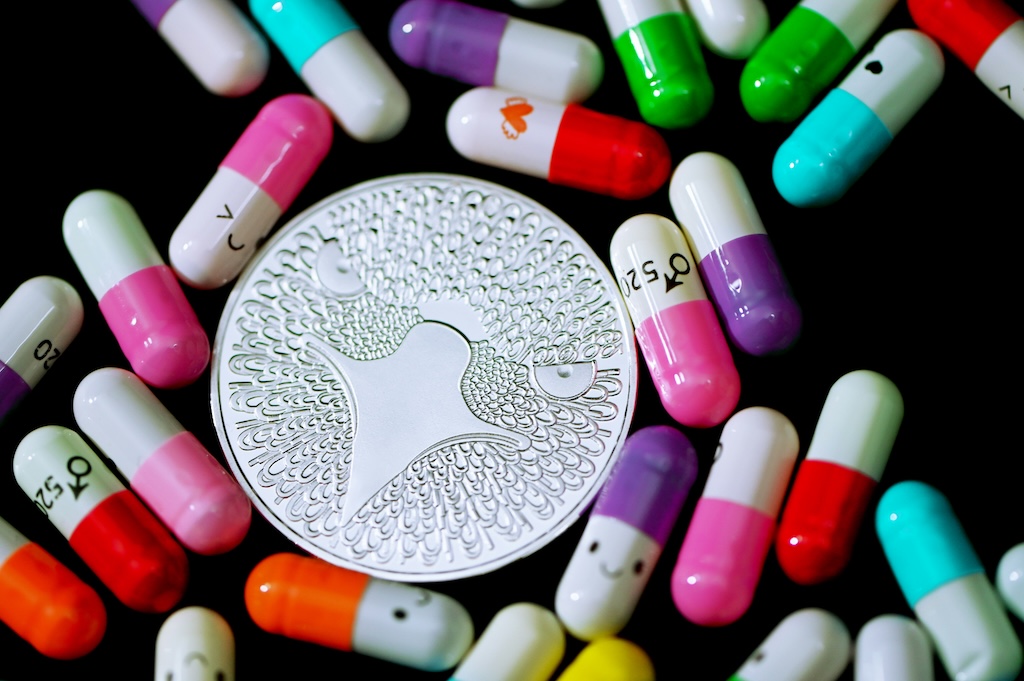
Party drugs—sometimes called club drugs—are substances people use to enhance energy, alter perception, or reduce inhibitions in social settings like clubs, raves, concerts, and parties. These substances span multiple categories, from stimulants like MDMA and cocaine to hallucinogens like LSD and ketamine, along with depressants, cannabinoids, and inhalants.
Understanding party drugs means recognizing both their appeal and their risks. People use these substances for many reasons: to dance longer, feel more connected to others, or experience heightened sensory pleasure. But party drug use also carries significant health risks, legal consequences, and unpredictable effects—especially when substances are mixed or contaminated with unknown additives.
If you’re exploring information about party drugs—whether for yourself, someone you care about, or out of general curiosity—approaching the topic without judgment matters. LGBTQIA+ affirming substance use treatment recognizes these realities and offers support grounded in harm reduction, trauma-informed care, and respect for lived experience.
Key Takeaways
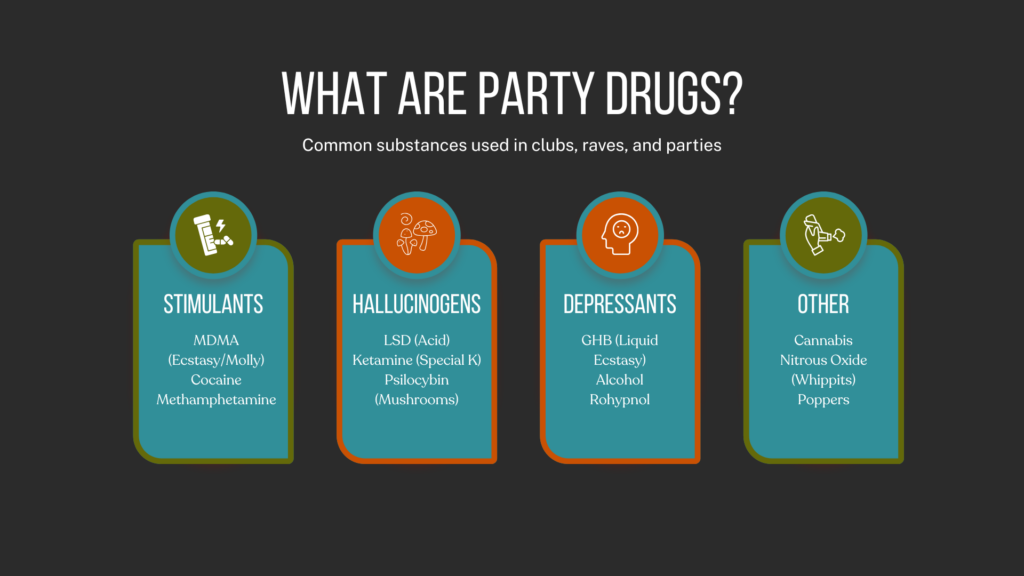
- Party drugs include stimulants (MDMA, cocaine, meth), hallucinogens (LSD, ketamine), depressants (GHB, alcohol), cannabis, and inhalants used in social settings.
- People use these substances to increase energy, enhance sensory experiences, reduce social anxiety, or feel more connected to others.
- Health risks include overdose, dehydration, unpredictable psychological effects, and long-term dependence, compounded when potentially cut with adulterants like fentanyl.
- For LGBTQIA+ individuals, party drug use often intersects with community, culture, and coping with minority stress—affirming care addresses these contexts.
- Outpatient programs offer structured, identity-affirming support without requiring you to step away from daily life.
What Categories of Substances Are Considered Party Drugs?
Party drugs span multiple drug classes, each affecting your brain and body differently.
Stimulants
Stimulants increase alertness, energy, and sociability. MDMA (Ecstasy or Molly) produces both stimulant and empathogenic effects that make people feel energized and emotionally open. Cocaine and methamphetamine are also widely used stimulants, though they carry high risks for dependence and cardiovascular strain.
Hallucinogens
Hallucinogens alter perception, mood, and sensory experiences. LSD, psilocybin mushrooms, and ketamine fall into this category. Ketamine—a dissociative anesthetic—is particularly common in club settings for its dreamlike, detached effects.
Depressants
Depressants slow your central nervous system and reduce inhibitions. Alcohol is the most common, but GHB carries serious risks, including overdose and its association with sexual assault.
Cannabinoids
Cannabinoids like marijuana and cannabis edibles vary widely in effects depending on THC content, delivery method, and individual tolerance.
Inhalants
Inhalants include nitrous oxide (laughing gas) and “poppers” (amyl nitrite), which produce short-lived euphoria or altered sensations. While some are legal in certain contexts, they still carry health risks with repeated use.
Why Do People Use Party Drugs?
Understanding motivations helps create more effective, compassionate responses to substance use.
Many people use these substances to enhance social experiences—dancing for hours, feeling less self-conscious, or connecting more deeply with others. Stimulants like MDMA and cocaine increase energy and stamina. Hallucinogens intensify sensory experiences, making music, lights, and physical sensations feel more vivid.
For some, party drugs reduce social anxiety or help them feel less inhibited. MDMA promotes emotional openness and empathy, which can feel especially valuable for people who struggle with social anxiety or feel disconnected in everyday life.
While substance use affects people across all communities, studies show that sexual minority adults experience substance use at disproportionately higher rates. For LGBTQIA+ folks, party drug use may relate to navigating minority stress, finding community, or exploring identity in spaces where queerness is celebrated. Club scenes have historically provided refuge and freedom for LGBTQIA+ people, and substance use in these contexts is often tied to celebration, connection, and coping with a world that doesn’t always feel safe.
What Are the Health Risks Associated With Party Drug Use?
The risks of party drugs depend on what you’re taking, how much, how often, and your individual health—including any mental health conditions or medications you’re on.
Dehydration and Overheating
MDMA can cause your body temperature to spike, and this effect is pronounced when you’re dancing in hot, crowded spaces for hours. If you’re taking MDMA in this kind of situation, you may sweat heavily but not feel thirsty, which can lead to severe dehydration. This can cause your muscles to break down from overheating (a condition called rhabdomyolysis), which can lead to kidney damage or failure. In severe cases, hyperthermia from MDMA can cause seizures, organ failure, and death.
Water Intoxication (“Drowning”)
On the flip side, some people overcompensate by drinking too much water too quickly on MDMA. This can cause hyponatremia, which is when your blood sodium levels drop dangerously low. People call this “drowning” because your cells swell with excess water, which can lead to seizures, brain swelling, coma, or death.
Heart Attack and Stroke
Stimulants like cocaine and meth force your heart to work overtime. On these drugs, your heart rate skyrockets, your blood pressure spikes, and your blood vessels constrict. Even if you’re young and otherwise healthy, these drugs can trigger heart attacks or strokes. The risk increases if you’re smoking or injecting (which hits your system faster), mixing stimulants with alcohol or other drugs, or using repeatedly throughout the night without giving your heart time to recover.
Overdose and Respiratory Depression
GHB is one of the most dangerous party drugs because the difference between a dose that causes intoxication—or a “high”—and a dose that can kill you is extremely small. GHB is a depressant, which means it slows your breathing and central nervous system, and can cause you to lose consciousness or stop breathing completely.
Panic Attacks and Paranoia
Hallucinogens like LSD, ketamine, and high doses of cannabis can trigger intense panic attacks or paranoia. On these drugs, you may feel like you’re losing your grip on reality, that people are watching you, or that something terrible is about to happen. These experiences can be extremely distressing and disorienting, especially in chaotic environments like clubs or parties.
Psychotic Episodes
Some people experience full breaks from reality while using party drugs, which can include hearing voices, seeing things that aren’t there, or developing intense delusional beliefs. This is most common with stimulants like meth and cocaine, especially with heavy or prolonged use, but it can also happen with hallucinogens. If you have a personal or family history of psychosis or schizophrenia, you may be at higher risk for these reactions.
Comedown Depression
After the high from certain party drugs wears off, many people experience extreme emotional crashes. MDMA and stimulants like meth and cocaine deplete your brain’s supply of serotonin and dopamine, which are the chemicals that regulate mood and happiness. Individuals might feel exhausted, hopeless, irritable, or deeply depressed for days after use. If you already struggle with depression or anxiety, comedowns can feel even more extreme and difficult to bear.
Aggression and Agitation
Stimulants like meth and cocaine can make you feel wired, irritable, and quick to anger. Small annoyances feel larger, and some people become aggressive or get into conflicts they wouldn’t normally engage in. This agitation can last for hours during use and may continue for days as your brain chemistry rebalances, making it hard to calm down or feel safe and grounded.
Memory Problems and Brain Fog
MDMA, ketamine, and stimulants can affect your memory and ability to concentrate. In the days and weeks after using, you might have trouble remembering conversations, learning new information, or staying focused on tasks. Some people describe this feeling as a “brain fog.” These cognitive effects can happen with occasional use, but typically become more severe and longer-lasting with regular use, sometimes persisting for months after you stop.
Bladder Damage (Ketamine)
Chronic ketamine use can cause severe damage to your bladder and urinary tract. People who regularly use ketamine often develop painful, frequent urination (sometimes every few minutes), blood in their urine, and incontinence. In severe cases, these issues require surgery or even bladder removal. This condition affects a significant percentage of people who use ketamine, making it a common and serious medical consequence of chronic use.
Long-Term Cardiovascular Damage
Repeated stimulant use damages your heart and blood vessels over time. This means your heart has to work harder constantly, your blood pressure stays elevated, and you’re at higher risk for heart disease, irregular heart rhythms, and early heart failure. Meth is also known to cause severe dental problems and premature aging of your skin.
Contamination With Fentanyl and Other Substances
What makes party drugs especially unpredictable right now is that you almost never know exactly what you’re taking. Research analyzing seized drugs in San Diego County found that fentanyl appeared in over 20% of all confiscated substances, often mixed with dozens of other compounds, including methamphetamine, cocaine, heroin, and various sedatives. This means that what someone thinks is pure MDMA, cocaine, or ketamine may actually contain fentanyl—a synthetic opioid that can be fatal even in minuscule amounts—or a combination of multiple drugs they never intended to take
What Role Do Party Drugs Play in Queer Nightlife and Culture?
LGBTQIA+ nightlife spaces have historically provided safety, community, and freedom of expression for queer and trans people. While these spaces emerged as refuges where people could be themselves, connect with others like them, and celebrate identity in ways that weren’t always possible in everyday life, they’ve also become contexts where substance use is woven into the fabric of connection and celebration.
Substance use in these settings isn’t just about getting high—it’s often intertwined with joy, liberation, and coping with the stress of navigating a world that can sometimes be isolating or hostile. For some people, party drugs enhance the euphoria and sense of freedom that queer spaces offer, deepening connections and amplifying the experience of being fully seen and celebrated. When substances are used to manage social anxiety or deal with other difficult emotions, it may signal a need for additional support.
Understanding this context doesn’t mean ignoring risks. It means recognizing that party drug use among LGBTQIA+ individuals often reflects broader social realities: the vital importance of queer community spaces, the impact of systemic discrimination, and the ways people cope with trauma or marginalization. When we understand these issues on a deeper level, we can begin to truly heal.
If you’re struggling with substance use that may have started out enjoyable, but is beginning to impact your daily life, you deserve treatment that sees all of you. Learn more about how identity-affirming dual diagnosis treatment in San Diego can help you make sense of these patterns in a space designed for LGBTQIA+ individuals
Signs Someone Might Benefit From Support Around Party Drug Use
Not everyone who uses party drugs needs treatment, but certain signs suggest substance use may be affecting someone’s life in ways that warrant support—whether you’re noticing these patterns in yourself or in someone you care about.
1. Using More Than Planned
If someone is using substances more frequently than intended, or finding it difficult to control or stop use despite wanting to, that’s a signal worth paying attention to. This might look like planning to use only on weekends, but finding yourself using multiple times during the week, or telling yourself you’ll take a small amount but consistently using more than planned. Noticing these difficulties often indicates that the relationship with the substance has shifted.
2. Interference With Daily Life
When using or partying starts affecting work, school, relationships, or personal goals, it may be time to explore what’s driving that pattern. This can include missing work or classes due to hangovers or comedowns, a decline in performance at school or work, conflicts with partners or friends about substance use or related behaviors (like mood changes, unreliability, or withdrawal), or postponing or abandoning long-term goals because substances feel more important in the moment.
3. Using to Cope With Difficult Feelings
Using substances primarily to manage mental health symptoms, trauma, or difficult emotions is an indicator that additional support might help. This might look like using to quiet anxiety before going to social events, to numb difficult emotions or feelings, or to escape depression or loneliness. While drugs may provide temporary relief, they often make things worse over time—anxiety spikes harder during comedowns, depression worsens between uses, and you miss the chance to build coping skills that actually help with what you’re going through.
4. Physical or Mental Health Concerns
If you or someone you care about is experiencing health problems related to drug and alcohol use—such as difficulty sleeping, noticeable weight loss or gain, worsening anxiety or depression, or repeated physical issues after using—these are signs that substance use may be taking a toll on the body and mind. Sometimes these changes happen gradually and are easier for others to notice than for the person experiencing them.
5. Risky Situations or Behaviors
Regularly using in unsafe situations, engaging in risky behaviors while high, or experiencing blackouts or memory loss suggests a pattern that may benefit from additional support. This can include things like driving while under the influence, having unprotected sex with people you don’t know well, putting yourself in situations you’d normally avoid, or frequently forgetting parts of the night.
6. Withdrawal From Activities or People
Giving up hobbies, interests, or relationships that were once important, or pulling away from friends and family who don’t use, can indicate that substances are taking up more space in someone’s life than is healthy. You might notice that things that used to matter—creative projects, sports, spending time with certain people—get pushed aside or no longer feel as important.
7. Curiosity About the Relationship With Substances
You don’t have to wait until things feel unmanageable to get support with substance use. If you or someone you care about is wondering whether substance use is getting in the way of your future goals, or if something just doesn’t feel quite right, exploring those questions in a safe space can be valuable. Sometimes the best time to reach out is before things get worse and over time, become harder to change.
Learn More About Affirming Outpatient Rehab
If you’re navigating questions about party drug use—whether for yourself or someone you care about—it might be time to explore your options for support. Element Q offers LGBTQIA+-affirming outpatient programs designed to support people exploring their relationship with substances, mental health, and identity. You deserve care that sees you as a whole person.
Call us at 858-422-1860 or reach out through our contact page to learn more.
Frequently Asked Questions (FAQs)
What are 10 examples of drugs?
Common party drugs include:
- MDMA (Ecstasy, Molly)
- Cocaine (coke, blow)
- Methamphetamine (meth, crystal)
- Ketamine (Special K, K)
- LSD (acid)
- GHB (liquid ecstasy, G)
- Alcohol
- Cannabis (marijuana, weed)
- Poppers (amyl nitrite)
- Nitrous oxide (laughing gas, whippits)
These drugs fall into different categories—some speed you up (stimulants), some slow you down (depressants), and some change how you see and feel things (hallucinogens). Each carries different risks depending on dose, frequency, and your own body and mental health. The biggest danger currently is that street drugs are often cut with fentanyl, which can cause overdose even in small amounts.
What is a rave party drug?
MDMA (Ecstasy or Molly) is the drug most people associate with raves because it gives you energy, makes you feel emotionally open and connected to others, and intensifies how music and lights feel—all things that fit with the high-energy vibe of raves.
Other common rave drugs include stimulants like meth and cocaine (for energy and staying awake) and hallucinogens like LSD and mushrooms (for visual and sensory effects). What people use depends on the music scene, where you are, and what era we’re talking about. The rave environment itself—packed crowds, intense heat, dancing for hours—makes these drugs more dangerous because of dehydration, overheating, and physical exhaustion.
What is ❄ drug slang?
The snowflake emoji (❄) is code for cocaine because cocaine looks like white powder or snow.
People use emojis and code words like this to talk about drugs discreetly in texts, on social media, or online. Drug slang changes constantly as people come up with new ways to avoid detection. Some other common examples may include 🍄 for mushrooms, 🔥 for high-quality drugs, and 🔌 for a “plug”, or drug dealer. If you’re a parent, friend, or concerned about someone, understanding this language can help you understand what’s being discussed. Be sure to approach the conversation with care and curiosity, rather than judgment or panic.
What is the difference between hard drugs and party drugs?
Typically, when someone uses the term “party drugs” they’re referring to the context (used at clubs, raves, parties, social events). “Hard drugs” usually refers to substances that are considered highly addictive or risky (heroin, meth, cocaine)
There’s a lot of overlap—cocaine and meth are both “hard drugs” and “party drugs.” In some ways, these labels can be misleading and judgmental. What matters more is understanding the risks, how often someone is using, and how it’s affecting their life, rather than putting substances into categories that don’t always fit. Any drug can be dangerous depending on dose, frequency, your mental and physical health, and what else you’re mixing it with.
Can you use party drugs safely?
Substance use is never completely safe. But there are ways to reduce some risks:
- Stay hydrated (but don’t overdo it—especially on MDMA)
- Don’t mix substances (especially depressants with depressants)
- Test your drugs for fentanyl when possible
- Use with trusted people who can help if something goes wrong
- Start with small amounts to gauge effects
That said, everyone reacts differently based on their body, mental health, the environment, and what else might be in the drug. Fentanyl is showing up in more street drugs and can be fatal in incredibly small amounts. If you’re using and want to be safer, learning harm reduction practices matters—but it’s also okay to reach out for support if your use is starting to affect your life in ways you didn’t expect. You don’t have to quit or hit rock bottom to ask for help. Effective treatment meets you where you are.
References
MedlinePlus. (n.d.). *Club drugs*. U.S. National Library of Medicine. https://medlineplus.gov/clubdrugs.html
Schuler, M. S., & Collins, R. L. (2020). Sexual minority substance use disparities: Bisexual women at elevated risk relative to other sexual minority groups. *Drug and Alcohol Dependence, 206*, 107755. https://doi.org/10.1016/j.drugalcdep.2019.107755
Galust H, Seltzer JA, Hardin JR, Friedman NA, Salamat J, Clark RF, Harmon J. Adulterants present in the San Diego county fentanyl supply: a laboratory analysis of seized law enforcement samples. BMC Public Health. 2024 Mar 29;24(1):923. doi: 10.1186/s12889-024-18459-0. PMID: 38553721; PMCID: PMC10981322.
Meyer, I. H. (2003). Prejudice, social stress, and mental health in lesbian, gay, and bisexual populations: Conceptual issues and research evidence. *Psychological Bulletin, 129*(5), 674–697. https://doi.org/10.1037/0033-2909.129.5.674
Dar KJ, McBrien ME. MDMA induced hyperthermia: report of a fatality and review of current therapy. Intensive Care Med. 1996 Sep;22(9):995-6. doi: 10.1007/BF02044131. PMID: 8905441.